

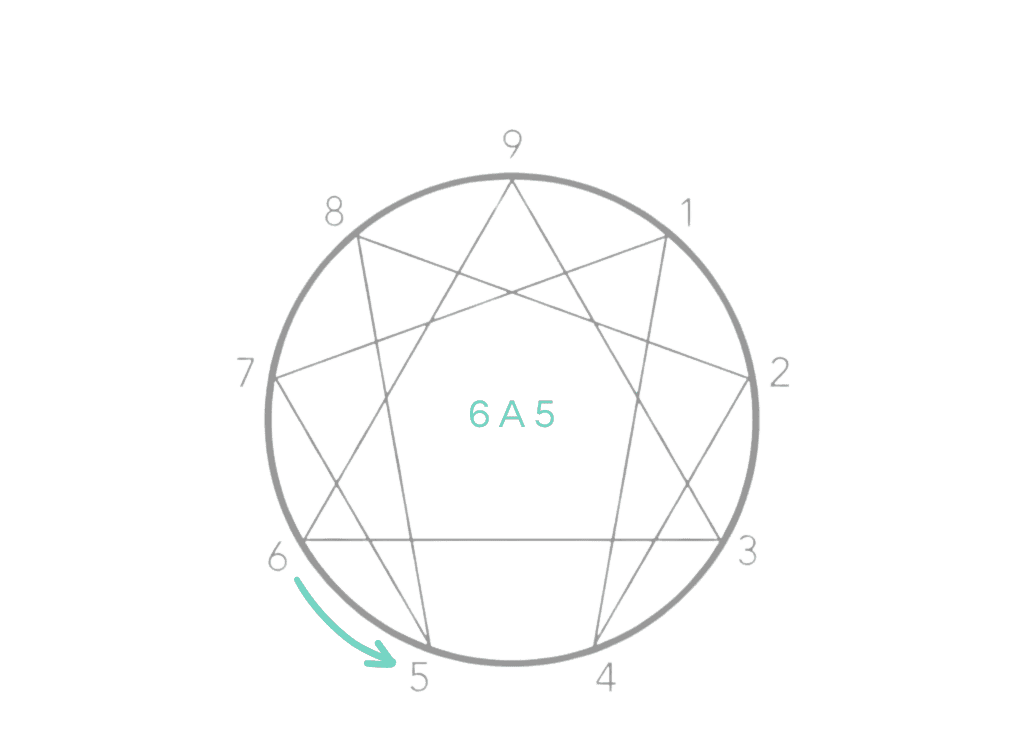
How this wing shapes the type
The 5 wing gives Type 6 a way of managing uncertainty: studying it. They still look for security and backing, but instead of asking people for confirmation they look for it in data, documentation and analysis. This is the most reserved, independent version of Type 6, and the one that best tolerates working alone.
They tend to be more serious and more cautious than the Type 6 with a 7 wing. They prefer to observe before committing, take time to trust and, once they trust, do so completely. Their worry shows up as rigour: they check the contract three times, prepare plan B and plan C, and would rather have too much information than a surprise.
How it shows up in remote work
In a remote compliance, quality-control, technical-support, analysis or admin role, this is the person who knows the rules and the systems in detail and catches the inconsistency before it becomes a problem. They work methodically, document everything and take no shortcuts. Their writing is precise, complete and a little formal.
With clients they are reliable and discreet; they explain with data and do not promise what they are not sure they can deliver. With the team they are loyal but not expressive, and can seem distant in the informal channels. The risk is analysis paralysis: still gathering information when it was time to decide, or imagining risks that never arrive.
Over time they are steady and predictable. They welcome feedback that is concrete and comes with context; what unsettles them is ambiguity, and a vague message from the manager can occupy their mind for hours.
They do well with a manager who puts expectations in writing and answers their questions patiently: every clear answer saves them an afternoon of unnecessary analysis, and in return they deliver work that almost never needs a second look.
Strengths
- Rigour and preparation that prevent mistakes and surprises.
- Risk analysis based on data, not hunches.
- Firm loyalty once trust is established.
- The ability to work alone on complex tasks without drifting.
Blind spots
- Analysis paralysis: deciding late or not at all.
- Initial distrust that can read as coldness.
- Isolating when worried, exactly when talking would help most.
- Seeing risk everywhere and holding back initiatives that were worth it.
Growth focus
- Put a deadline on every piece of research that precedes a decision, and decide on that date with what you have.
- When a worry has occupied you for more than an hour, tell one person instead of researching further.
- Voice support for someone else's initiative before listing its risks.
Back to Type 6
The Loyalist — Read the full Type 6 profile: motivation, wings, look-alike types and growth practices.