

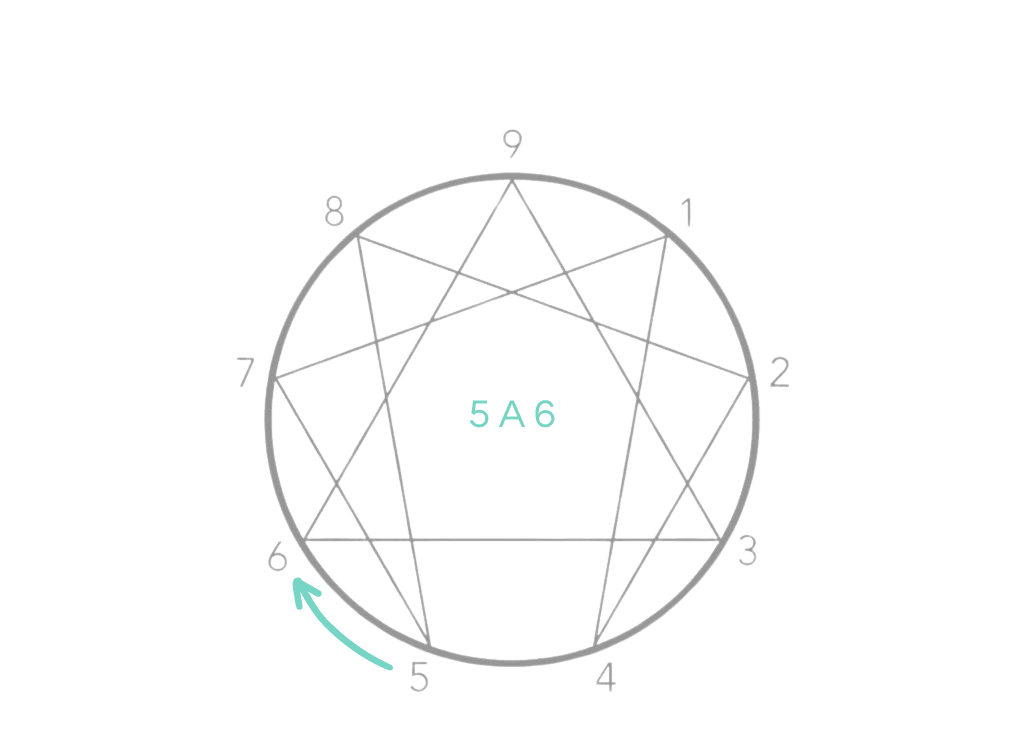
How this wing shapes the type
The 6 wing gives Type 5 practicality and a stronger bond with the team. They still need to understand thoroughly and manage their energy, but now they want that knowledge to serve something concrete: solving the client's problem, preventing the system failure, covering the risk nobody saw. This is the most collaborative, dependable version of Type 5.
They tend to be more cautious and more procedure-minded than the Type 5 with a 4 wing. They value security, follow the rules and distrust brilliant solutions nobody has tested. They can be quite loyal to a team or a manager who respects the way they work, and they enjoy being the person everyone turns to when something technical goes wrong.
How it shows up in remote work
In a remote technical-support, data-analysis, systems-administration or quality-control role, this is the person who knows the whole system, documents the procedures and spots the risk before it becomes an incident. They work methodically and prefer the proven solution to the novel one. Their writing is clear, orderly and complete.
With clients they are objective and reliable; they explain the technical side patiently and do not promise what they cannot guarantee. With the team they are more present than other Type 5s, though they still prefer text to video calls. The risk is excessive caution: delaying a decision for lack of data, or worrying about unlikely scenarios.
Over time they are steady and predictable, which gives a remote team a great deal of reassurance. They accept feedback that is concrete and comes from someone with judgment; what unsettles them is ambiguity and changes of direction without explanation.
They do well with a manager who sets the scope and the deadline up front and then trusts them with the method: given that, they will keep a system running for years and hand over documentation good enough for whoever comes next.
Strengths
- Applied knowledge: they understand the system and make it work.
- Documentation and procedures the team inherits.
- Loyalty and team spirit unusual in a Type 5.
- Early detection of technical risks.
Blind spots
- Excessive caution that delays decisions.
- Distrust of the new even when it is better.
- Worrying about unlikely scenarios and spending energy covering them.
- Struggling with the informal human contact that holds a remote team together.
Growth focus
- When you postpone a decision for lack of data, define exactly which data you need and a deadline for deciding without it.
- Try one new tool or method a month, on something low-risk.
- Join one team conversation that is not technical, even if only to listen.
Back to Type 5
The Investigator — Read the full Type 5 profile: motivation, wings, look-alike types and growth practices.