

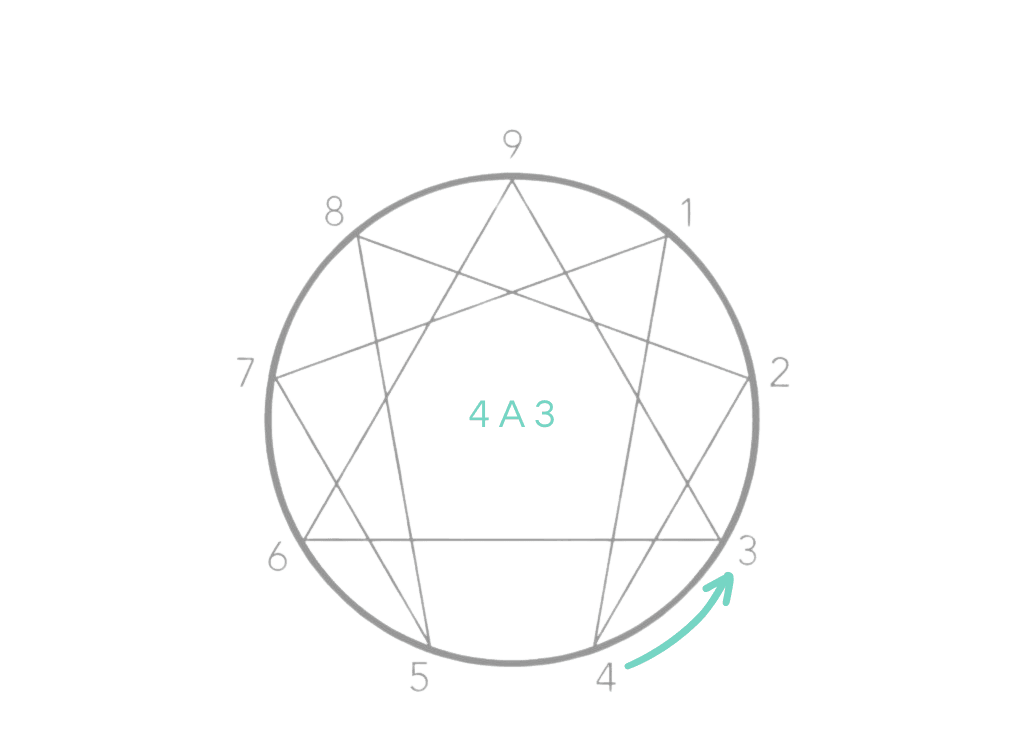
How this wing shapes the type
The 3 wing gives Type 4 social energy and a wish to show their work. They are still looking for an identity of their own and an authentic expression, but now they want that expression to reach someone and be recognized. This is the most outgoing version of Type 4: more present in meetings, more aware of how their work is perceived and more willing to compete for space.
They tend to be more productive and adaptable than the Type 4 with a 5 wing, though also more concerned with image. They can swing between a real talent for presenting themselves well and a private sense that nobody sees who they really are. That tension, between wanting to stand out and wanting to be authentic, is the center of this profile.
How it shows up in remote work
In a remote brand-content, design, communications or community role, this is the person who creates pieces with personality and knows how to present them. They are comfortable on video calls, propose with conviction and understand what an audience needs. Their writing is expressive and careful, with a voice you can pick out from the rest.
With clients they are warm and persuasive, though criticism of taste rather than of the work is hard for them. With the team they bring ideas and energy, with the risk of feeling wounded if a proposal is dropped without explanation. They can also go to the other extreme: adapting the work so much to what pleases that it loses what made it theirs.
Over time they are steadier than the pure Type 4, because ambition helps them deliver even when the mood does not cooperate. Feedback lands with intensity; what unsettles them most is indifference, more than criticism.
Strengths
- Creativity with the ability to deliver and to present.
- A voice of their own that gives a brand or a team personality.
- Sensitivity to read the audience and adjust the message.
- Energy to propose and defend ideas in meetings.
Blind spots
- Depending too much on other people's reaction to know whether the work is good.
- Trading authenticity for approval, then feeling empty.
- Comparing themselves with others and competing when they could collaborate.
- Taking indifference as rejection and withdrawing offended.
Growth focus
- Before publishing or presenting, write down why you like the work, before you know whether others do.
- When one of your ideas is dropped, ask the reason with curiosity and without defending yourself.
- Publicly acknowledge the work of someone you feel you compete with.
Back to Type 4
The Individualist — Read the full Type 4 profile: motivation, wings, look-alike types and growth practices.