

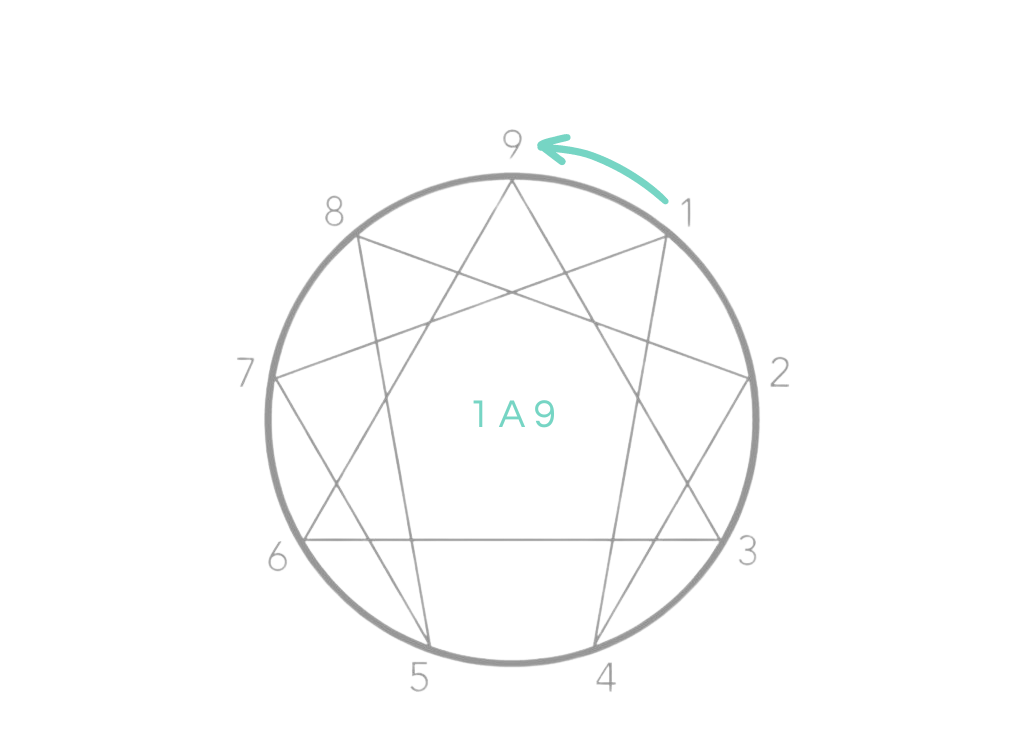
How this wing shapes the type
The 9 wing lays a layer of calm over Type 1. The high standards and the sense of what is right are still there, but they come out with less urgency and less edge. This person still notices every mistake; instead of pointing it out on the spot, they tend to note it, think it over and decide whether it is worth mentioning.
They tend to be more reserved and independent than the Type 1 with a 2 wing, and they need time alone to sort out their thoughts. When forced to choose, they favor principles over people, and they care more about the system being fair than about being liked. Their idealism is not loud: it is a quiet conviction that things could be done better.
How it shows up in remote work
In a remote admin, quality-control or document-management role, this is the person who works quietly and delivers flawlessly. They do not flood the chat with messages or need meetings to make progress; with clear instructions and a good process they perform steadily for months. Their writing is sober and correct, and their reviews are thorough but respectful.
With clients they are dependable and discreet. Intense emotional contact costs them more than technical contact, and they can seem distant if the client expects warmth. When something is wrong, they would rather document it and propose a fix than confront it on a call.
Over time they are among the steadiest people on the team: no peaks, no dips, and their output at six months matches their first week. They take feedback with apparent calm, but it pays to give it with context: a dry correction can circle silently for days without anyone noticing.
Strengths
- Sustained precision without supervision.
- The calm to correct without wounding, which a pure Type 1 finds harder.
- Independence: they can spend weeks focused on one project without drifting.
- Objective judgment when the team is being carried away by emotion.
Blind spots
- Storing irritation instead of voicing it, until it comes out as coldness or distance.
- Becoming so reserved that the team does not know what they are working on or what they think.
- Avoiding necessary conflict, so a problem that should have been named festers.
- Silent rigidity: they do not argue with the decision, but they do not fully adopt it either.
Growth focus
- When you notice something bothers you, say it that same day in one short sentence, instead of saving it for the report.
- Offer one opinion of your own in every team meeting, even if nobody asks for it.
- Accept a result that is not how you would have done it, and notice that the world keeps turning.
Back to Type 1
The Reformer — Read the full Type 1 profile: motivation, wings, look-alike types and growth practices.