

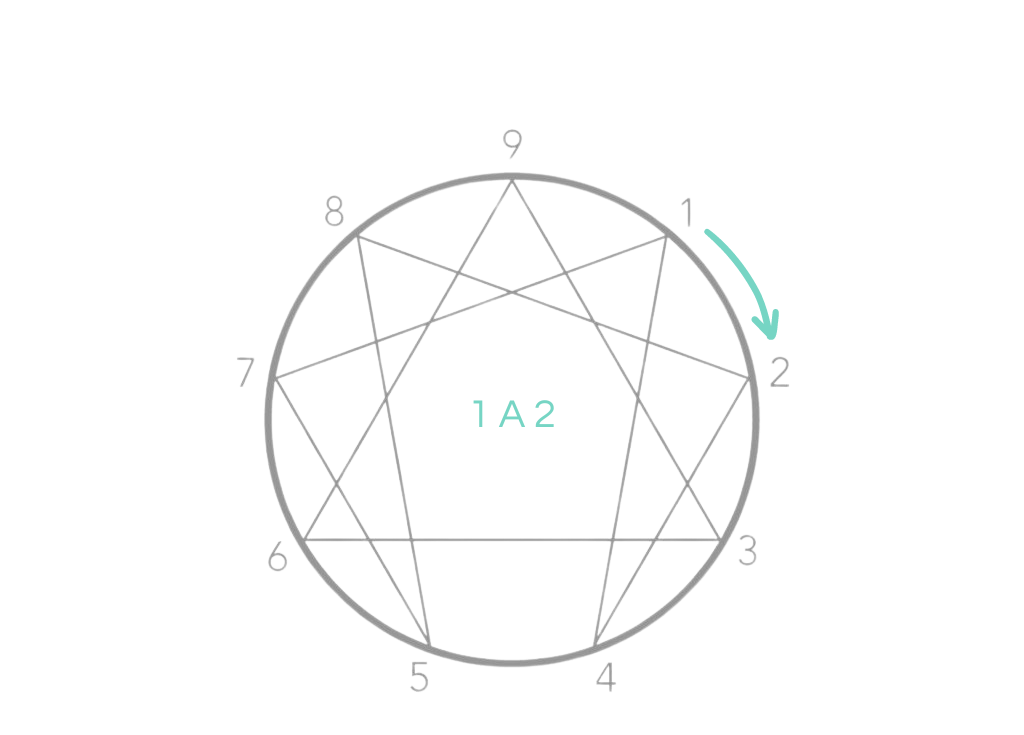
How this wing shapes the type
The 2 wing gives Type 1 a pull toward people that the pure Type 1 does not always have. They still want things done properly, but now the reason includes others: doing it well so the client can relax, so the team does not suffer, so nobody has to redo anything. Their high standards become a form of care.
They tend to be more expressive and more present than the Type 1 with a 9 wing. They correct, but they also encourage; they point out the mistake, but offer to help fix it. They can be quite persuasive when they believe something must change, and they do not mind getting involved in other people's problems if they think they can improve the situation.
How it shows up in remote work
In a remote customer-support, coordination or executive-assistant role, this is the person who keeps the process orderly and also makes sure people understand it. They write the guides, answer questions patiently and walk alongside whoever is learning. Their writing is correct and warm at once, and with clients they convey both confidence and closeness.
The risk is carrying too much. They take on other people's tasks so they come out right, review colleagues' work unasked and end up resentful if nobody acknowledges the effort. They can also turn critical in a more personal way than the pure 1, because the judgment comes wrapped in concern for the other person.
Over time they tend to fill their calendar with what other people need, and their own tasks slide to the end of the day. They appreciate feedback when it comes with recognition; a criticism that never mentions what they did well discourages them more than it would a pure Type 1, because the effort was for others too.
Strengths
- Combines precision with warmth: demands and supports.
- Teaches processes with patience and clarity.
- Builds trust with clients because they deliver and also care.
- Spots problems in people, not only in the data.
Blind spots
- Takes on responsibilities that are not theirs and overloads.
- Their help can feel like control when it comes with corrections.
- Needs recognition for the effort and gets frustrated when it does not come.
- Struggles to accept that someone would rather do things their own way.
Growth focus
- Before taking over someone else's task, ask whether they want help. If they say no, respect it.
- Separate the comment about the work from the comment about the person, and drop the second.
- Ask for help yourself at least once a week, with a concrete task.
Back to Type 1
The Reformer — Read the full Type 1 profile: motivation, wings, look-alike types and growth practices.